
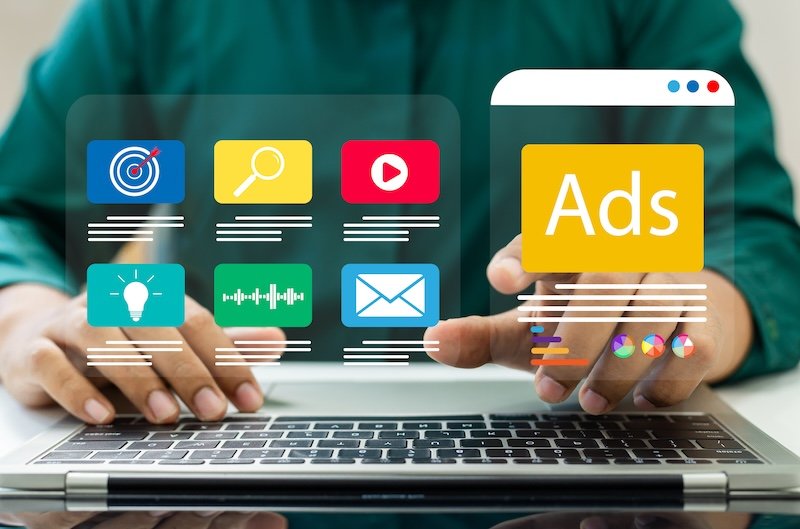
Why Should I Run Digital Marketing Ads?
In today’s fast-paced digital world, connecting with the right audience has never been more crucial. Digital marketing ads have become the cornerstone of how businesses reach, engage, and convert potential customers. From social media platforms to search engines, these ads offer endless opportunities to showcase what we bring to the table.
The beauty of digital advertising lies in its precision. We can target specific demographics, track performance in real-time, and adjust strategies on the fly. It’s not just about visibility; it’s about delivering the right message to the right people at the right time. As the digital landscape evolves, mastering ad strategies is key to staying ahead of the curve.
Whether we’re a small business or a global brand, understanding how to leverage digital ads can make all the difference. Let’s explore how these tools are reshaping the way we market and connect in the modern age.
What Is Ads Digital Marketing?
Ads digital marketing refers to the practice of promoting products or services using paid advertisements across online platforms. These ads can take various forms, including search ads, display banners, social media promotions, and video ads, making it a versatile approach for reaching diverse audiences. Businesses rely on these online advertisements to increase brand visibility and drive conversions.
Digital advertising works in tandem with broader digital marketing strategies, such as content marketing and SEO. While ads digital marketing delivers immediate results by targeting specific audiences, SEO focuses on organic search rankings over time. Both approaches complement each other; for example, a strong ad campaign can drive traffic to optimized landing pages, amplifying lead generation.
Digital advertisers play a critical role in executing these campaigns effectively. They utilize data-driven platforms, such as Google Ads and Facebook Ads Manager, to create and manage tailored ad strategies. Businesses that advertise with experienced digital advertisers, like iPromote, gain the advantage of precision targeting and innovative ad delivery.
Incorporating electronic ads into a digital marketing strategy ensures consistent visibility across all stages of a buyer’s journey. Whether through retargeting ads that follow potential customers or video campaigns that improve brand recall, ads digital marketing strengthens other marketing initiatives while maximizing ROI.
Benefits Of Ads Digital Marketing
Ads digital marketing enhances promotional strategies by delivering precision, flexibility, and measurable outcomes. Electronic ads complement wider digital marketing approaches, particularly SEO, by ensuring businesses maintain visibility across all phases of the buyer’s journey.
Increased Reach And Visibility
Digital advertising expands audience exposure by utilizing platforms like search engines, social media, and websites. Businesses using electronic ads can access billions of active users daily, increasing brand visibility significantly. Google’s Display Network, for example, covers over 2 million websites worldwide. Incorporating such ads ensures consistent messaging in spaces SEO alone might not immediately impact, like sponsored content or paid search results, driving further engagement.
Cost-Effectiveness
Ads digital marketing achieves high returns with scalable budgets. Unlike traditional advertising, platforms such as Google Ads and Facebook Ads offer pay-per-click (PPC) models, ensuring businesses only pay for genuine user interactions. Reports show average PPC campaigns generate $2 in revenue for every $1 spent. Digital advertisers can extract maximum value by fine-tuning campaigns with real-time analytics, avoiding overspending while optimizing for performance metrics.
Targeted Advertising
Digital advertisers leverage data-driven tools to customize campaigns for specific demographics, behaviors, and interests. Ads are precisely targeted, allowing businesses to reach local audiences or niche markets effectively. Tools like Facebook Audience Insights and Google Ads include filters for attributes such as age, location, or online habits. Cohesion with SEO bolsters marketing strategies further—for example, SEO drives organic traffic while targeted ads attract immediate prospects. Platforms like iPromote exemplify digital advertising leadership, providing businesses with advanced targeting capabilities that maximize lead generation and ROI.
Types Of Ads In Digital Marketing
Digital advertising encompasses various ad formats tailored to online platforms, offering distinct advantages for businesses seeking effective audience engagement. These ads, designed by digital advertisers, complement broader strategies like SEO by driving immediate visibility while long-term methods build organic growth. Companies like iPromote exemplify leaders in digital advertising, leveraging expertise to maximize results.
Pay-Per-Click (PPC) Advertising
PPC advertising involves paying for user clicks on ads displayed across search engines or partner networks. Advertisers bid on keywords relevant to their audience, ensuring ads appear in prime positions during searches. Platforms like Google Ads provide tools for campaign targeting, performance tracking, and ROI measurement. PPC ads are ideal for generating immediate traffic, pairing seamlessly with SEO for comprehensive visibility.
Social Media Ads
Social media ads utilize platforms like Facebook, Instagram, LinkedIn, and Twitter to target users based on interests, behaviors, or demographics. These electronic ads include formats like carousel images, sponsored posts, and short videos, all optimized for engagement. Social platforms offer detailed analytics that help digital advertisers refine campaigns and align them with content marketing efforts, boosting brand awareness.
Display Advertising
Display advertising incorporates banners, images, or text ads placed on websites within ad networks. Designed to attract visual attention, these ads encourage brand recognition and retarget lost users. Display ads amplify the impact of other digital marketing methods by repeatedly engaging users who’ve visited a company’s website or shown interest in related topics.
Search Engine Marketing (SEM)
SEM combines paid search ads and SEO practices for maximum visibility on search engines. This paid strategy allows businesses to appear prominently in search results through competitive ad placements. SEM provides a targeted, measurable solution, complementing organic growth and elevating the overall impact of a digital marketing campaign.
Key Strategies For Successful Ads Digital Marketing
Effective implementation of ads digital marketing requires structured strategies to maximize reach, engagement, and ROI. We focus on essential tactics that help businesses, whether startups or global brands, achieve measurable success in their campaigns.
Audience Segmentation
Segmenting audiences ensures ad campaigns target specific demographics and interests. By dividing users into smaller groups based on behavior, location, age, or preferences, we tailor content to resonate deeply. Platforms like Google Ads and Facebook Ads Manager allow precision targeting, enabling businesses to create ads for niche markets. For example, a digital advertiser promoting outdoor gear might segment by location to target regions with outdoor enthusiasts. This approach drives higher engagement and conversion rates.
Optimizing Ad Content
Creating visually engaging and concise ad content directly impacts a campaign’s effectiveness. Electronic ads with compelling visuals, clear calls-to-action, and relevant messaging attract clicks and sustain interest. For instance, search ads should use focused keywords while social media promotions should align with platform trends. Incorporating SEO principles into ad copy, like keyword relevance, further enhances visibility. Businesses working with experts such as iPromote often see superior results, as their tailored advertisements align seamlessly with other aspects of digital marketing.
Monitoring And Analytics
Analyzing ad performance using monitoring tools supports informed decision-making for optimizing campaigns. Metrics such as click-through rates (CTR), cost-per-click (CPC), and conversion rates reveal insights about what’s working. Platforms like Google Analytics integrate data seamlessly with ads digital marketing strategies, allowing us to refine campaigns based on user interactions. Regularly evaluating analytics ensures ads remain relevant and effective, complementing other forms of digital marketing like content strategies and SEO for sustained online growth.
Challenges In Ads Digital Marketing
Businesses leveraging ads digital marketing face several challenges that can affect campaign performance and ROI. These include issues like ad fatigue, intense competition, and growing privacy concerns, all of which require strategic approaches to overcome.
Ad Fatigue
Frequent exposure to the same electronic ads leads to ad fatigue, causing users to ignore them or experience frustration. This reduces engagement rates and limits conversions. To address this, digital advertisers diversify creative assets, rotate ad designs, and adjust targeting rules regularly. For example, by alternating video ads with carousel posts, businesses maintain user interest and avoid overexposure.
High Competition
Competition in ads digital marketing is intense, particularly on platforms like Google Ads or Facebook Ads, where businesses bid for visibility. Popular keywords and targeted demographics often drive high costs, making it harder for smaller advertisers to compete. Effective strategies include refining audience segmentation and utilizing niche keywords not dominated by competitors. Companies like iPromote stand out by helping advertisers maximize results through expertise in optimizing digital ad formats across competitive spaces.
Privacy Concerns
Increasing privacy regulations and user demand for transparency challenge digital advertising efforts. Restrictions like GDPR and Apple’s App Tracking Transparency (ATT) limit data collection, reducing ad targeting precision. In response, advertisers rely on first-party data while respecting user consent policies. Aligning ads with other digital marketing efforts such as SEO ensures consistent visibility, even under stricter privacy constraints.
Future Trends In Ads Digital Marketing
The digital marketing landscape continues to evolve, with emerging trends shaping how businesses use ads to engage audiences. Staying updated on these developments ensures digital advertisers remain competitive and effective.
AI And Automation
AI and automation are transforming the way electronic ads are created and managed. These algorithms analyze large datasets to optimize targeting, ad placements, and bidding strategies. Automation tools simplify campaign management, enabling real-time adjustments for performance improvements. Platforms like iPromote leverage AI-driven solutions to deliver streamlined ad strategies, maximizing ROI across channels. This trend enhances efficiency, freeing businesses to focus on scaling their marketing efforts.
Personalized Advertising
Personalized advertising uses data insights to deliver tailored messages based on user behaviors and preferences. This approach aligns ads with individual needs, improving engagement and conversion rates. Combining personalized ads with SEO enhances visibility and user experience across touchpoints. Digital advertisers utilize advanced tools to segment audiences, crafting content that resonates deeply with specific demographics. By understanding user intent, businesses create cohesive strategies that seamlessly integrate with other digital marketing efforts.
Interactive Ad Formats
Interactive ad formats, such as shoppable ads and gamified content, drive higher engagement by encouraging active audience participation. These formats boost brand interaction and retention compared to static ads. For example, electronic ads on social media featuring poll-based interactions or augmented reality (AR) elements increase user involvement. Integrating interactive ads with broader strategies, like content marketing and SEO, ensures consistent engagement throughout the customer journey.
Conclusion
Digital marketing ads are a powerful tool that continues to evolve alongside technology and consumer behavior. By leveraging data-driven strategies, businesses can connect with their ideal audience, enhance visibility, and achieve measurable results.
As the digital landscape grows more competitive, staying adaptable and embracing new trends like AI, automation, and interactive formats will be key to maintaining an edge. With the right approach, digital advertising can drive meaningful engagement and deliver impressive ROI for businesses of all sizes.
